UNSW Forensic Cognition Group
We study how people perceive, remember, and make decisions in real-world situations.
Our research focuses on how people interpret identity, evidence, and complex information—particularly in situations where accuracy is critical. We examine how perception, memory, and decision-making interact, and how differences in individual ability shape performance in real-world tasks.
This includes understanding expertise, developing training approaches, and identifying how people can be selected and supported for roles where accurate identification and judgment are essential. We are also interested in how systems can be designed to better support human performance in complex environments.
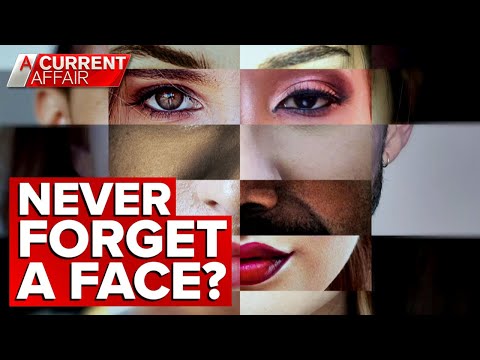
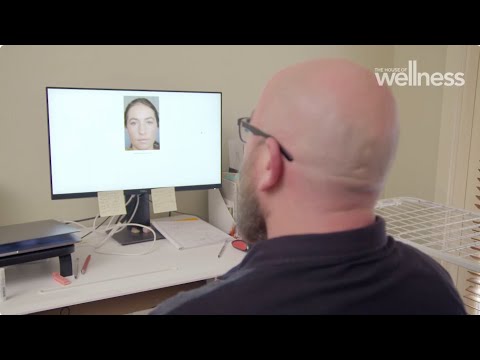
Our work spans a range of contexts, including face recognition and identification, eyewitness memory, and decision-making in human–AI systems. Using methods such as behavioural experiments, eye tracking, machine learning, and artificial intelligence, we study how people process information and where errors arise.
By combining cognitive insight with real-world applications, we aim to improve performance, reduce error, and support better decisions when it matters most.
Try the research
UNSW Face Test
Test your ability to recognise faces and compare your performance globally.
Try our test →
Face Research Registry
Sign up to take part in research studies and contribute to new discoveries.
Join →UNSW Face Identification Group (UFIG)

What is UFIG?
UFIG connects government, police, industry, and academic researchers to address key challenges in unfamiliar face identification—from human performance to AI systems and legal implications.
Why it matters
This work has both scientific and practical impact, improving how identities are verified in contexts like border control, policing, and security systems.
Real-world impact
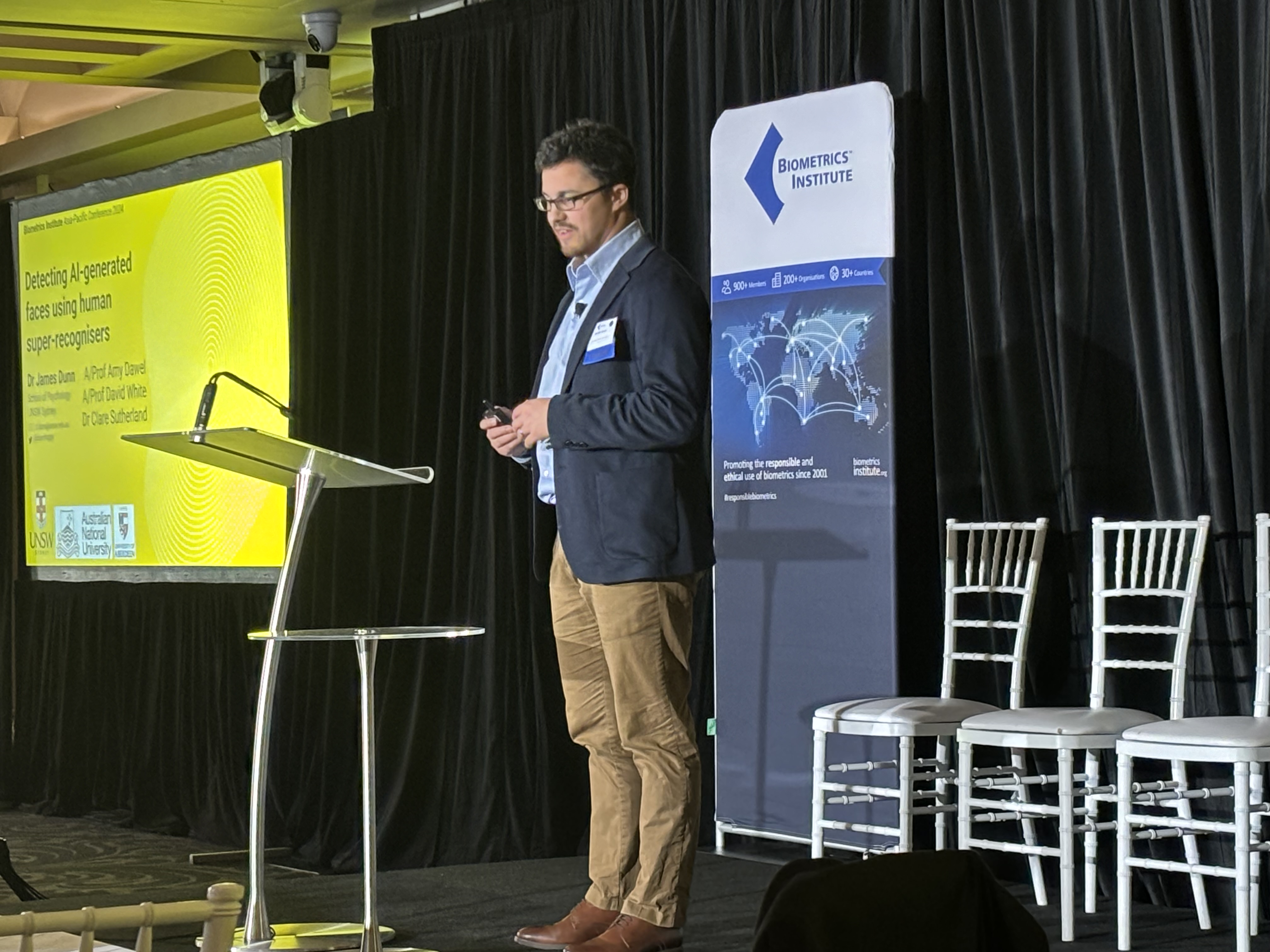
Presenting research to policymakers and practitioners
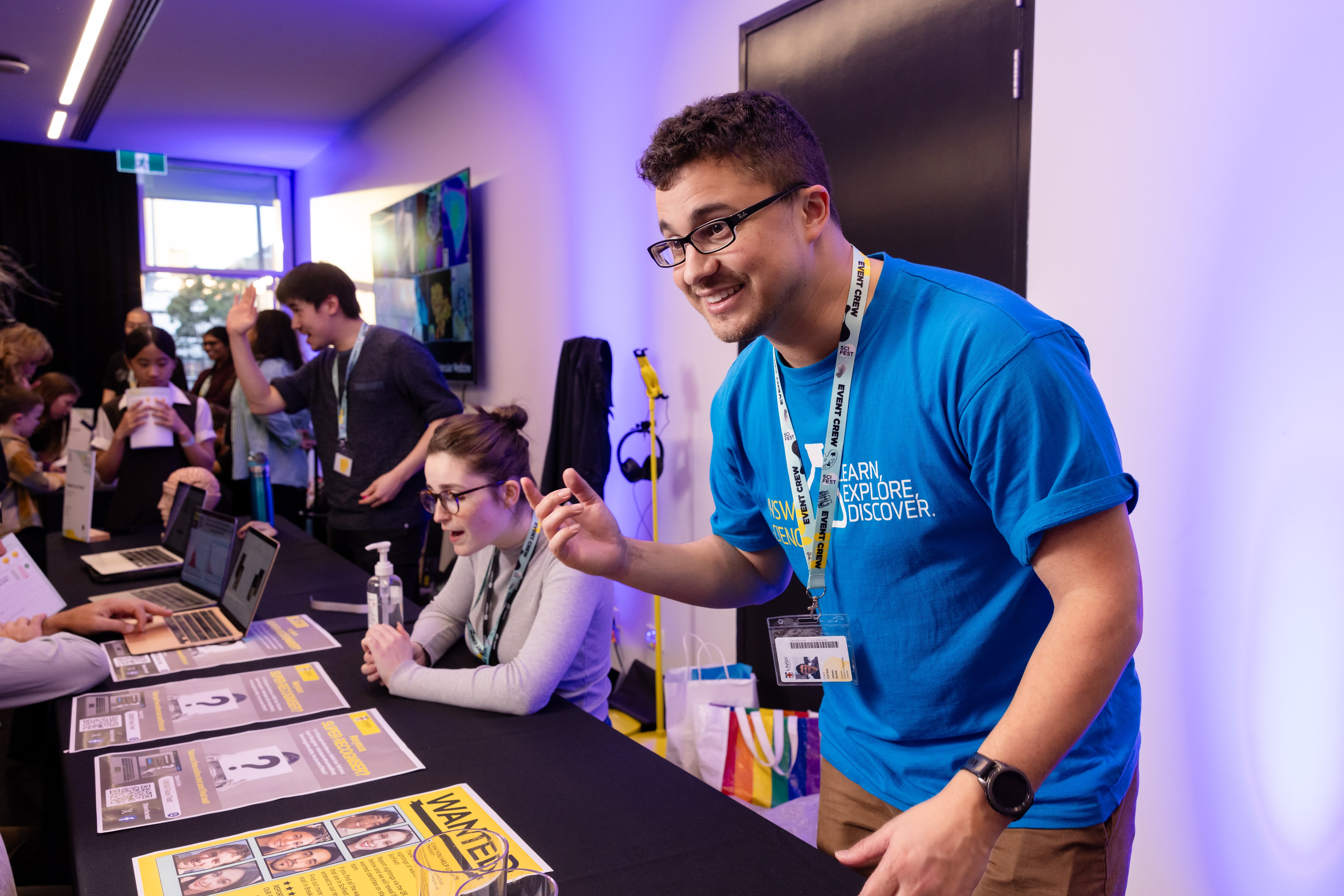
Interactive tools used by hundreds of thousands of people
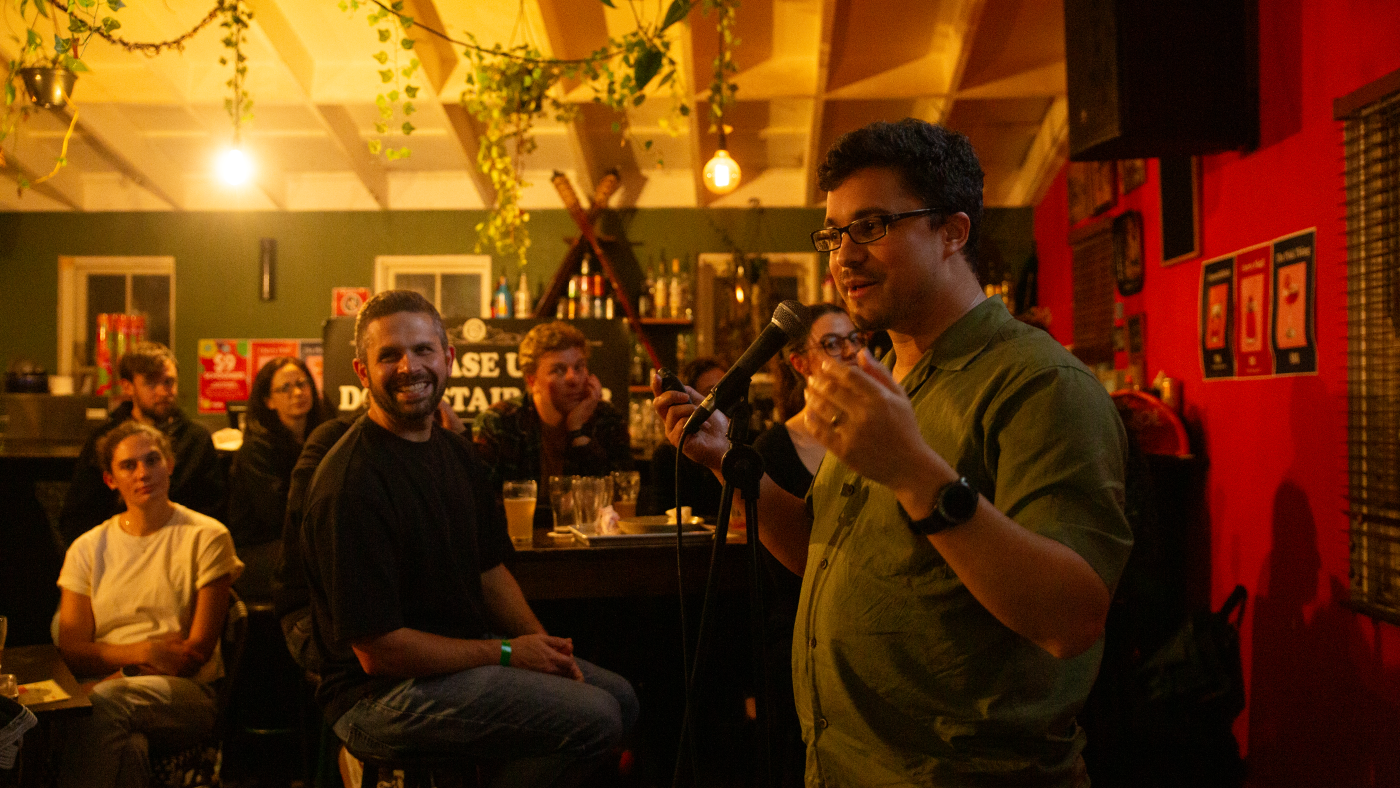
Communicating research through national and international media
Media & Impact
“Our research has been featured across national and international media, shaping how people understand face recognition, memory, and artificial intelligence.”
Across television, radio, print, and online platforms, our work has reached millions of people and contributed to public conversations about identity, decision-making, and emerging technologies. We regularly provide expert commentary on topics including deepfakes, eyewitness memory, and forensic identification.
Featured in The Guardian
Super-recognisers can identify faces others miss — our research explains why.
Read article →