Research
We study how people recognise faces, remember events, and make decisions in real-world situations.
Our research combines cognitive psychology, real-world applications, and emerging technologies to understand how identity is perceived, remembered, and evaluated.
Face Recognition Ability
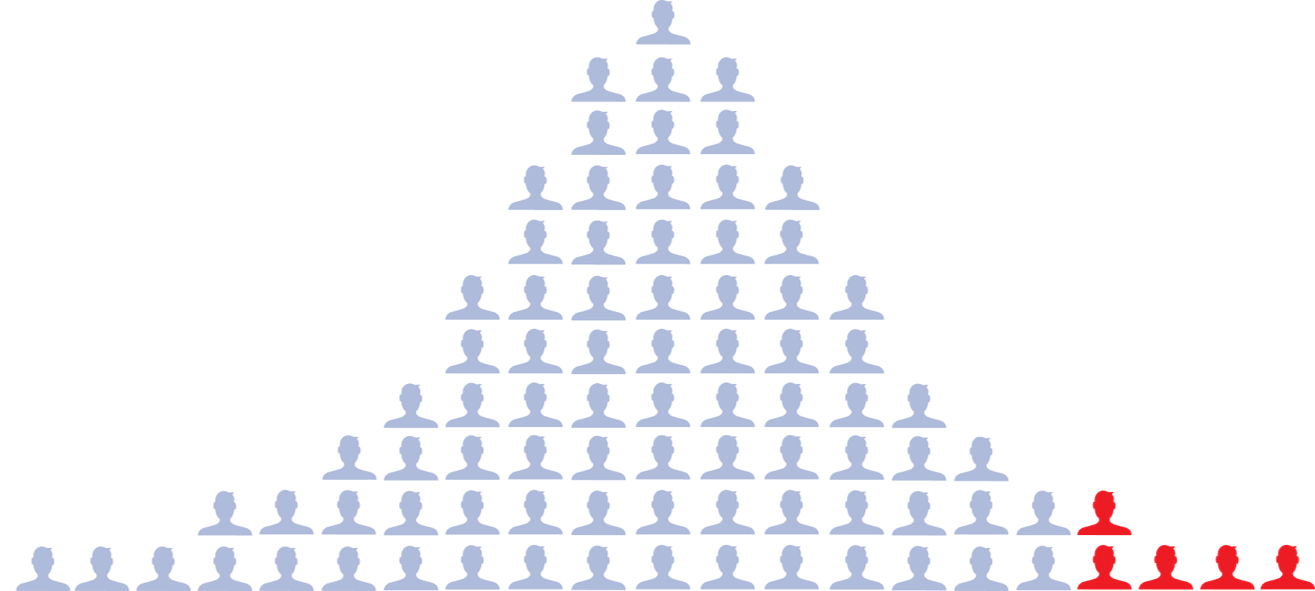
People vary dramatically in their ability to recognise faces—from individuals with face blindness to “super-recognisers” who can remember faces after a single exposure. We study what drives these differences and how they can be applied in real-world settings.
Our research uses behavioural testing, large-scale online datasets, and eye-tracking methods to understand how people process facial identity information.
Identity Matching
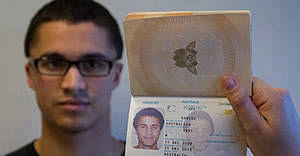
Identity matching involves comparing two images of a face to determine whether they show the same person. This is critical in contexts such as passports, CCTV, and security screening.
We study how people perform these tasks under realistic conditions, including poor image quality and unfamiliar faces, and how performance can be improved.
Eyewitness Memory
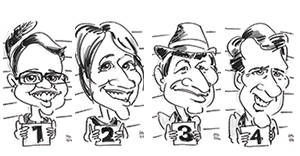
Eyewitness memory plays a critical role in legal decisions, but it is not always reliable. People can misremember faces, events, and details, especially under stress.
Our work examines how memory is shaped by attention, stress, and context, and how recall can be improved in high-stakes environments.
Face Identification in Practice
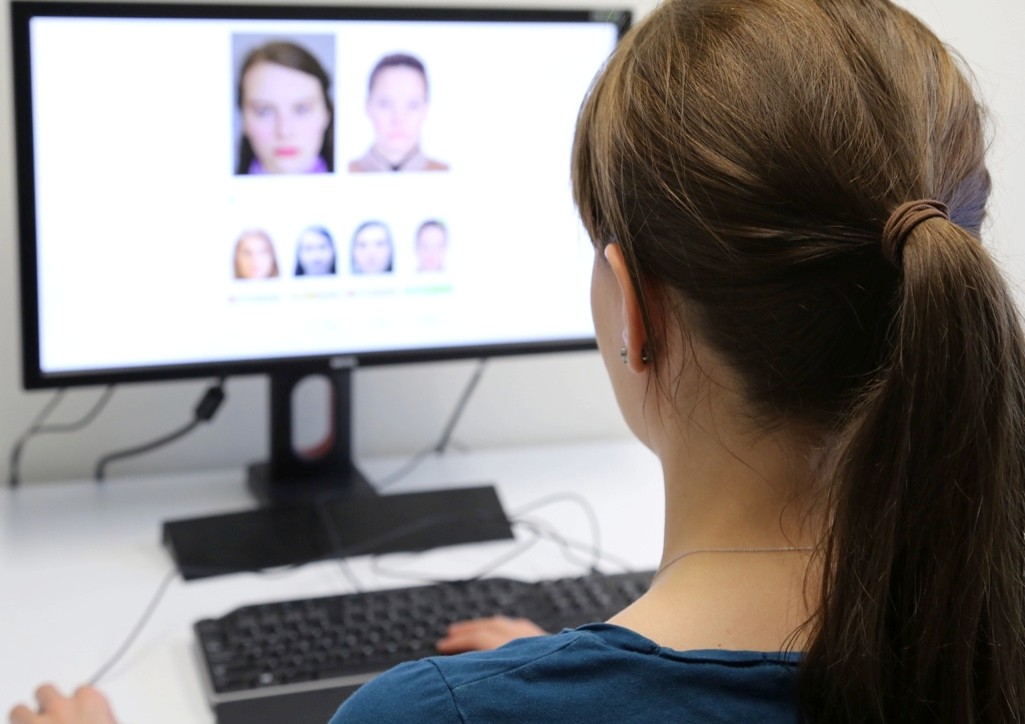
We work closely with policing, security, and forensic practitioners to improve how faces are identified in real-world settings.
This includes studying how professionals make identification decisions, how systems can support them, and how errors can be reduced.
Decision-Making Under Pressure
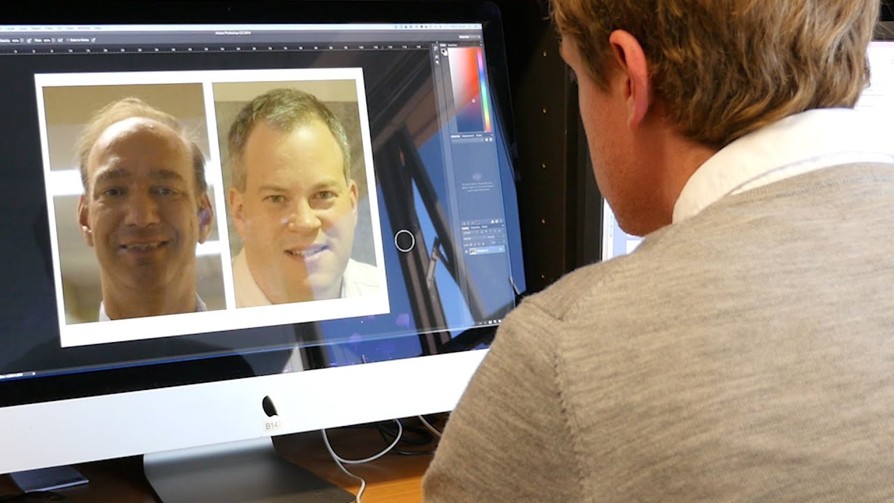
In many real-world situations, decisions must be made quickly and under uncertainty. This includes interpreting evidence, recalling events, and identifying individuals.
We study how people make these decisions, where errors occur, and how decision-making can be improved through training and system design.
AI & Synthetic Faces
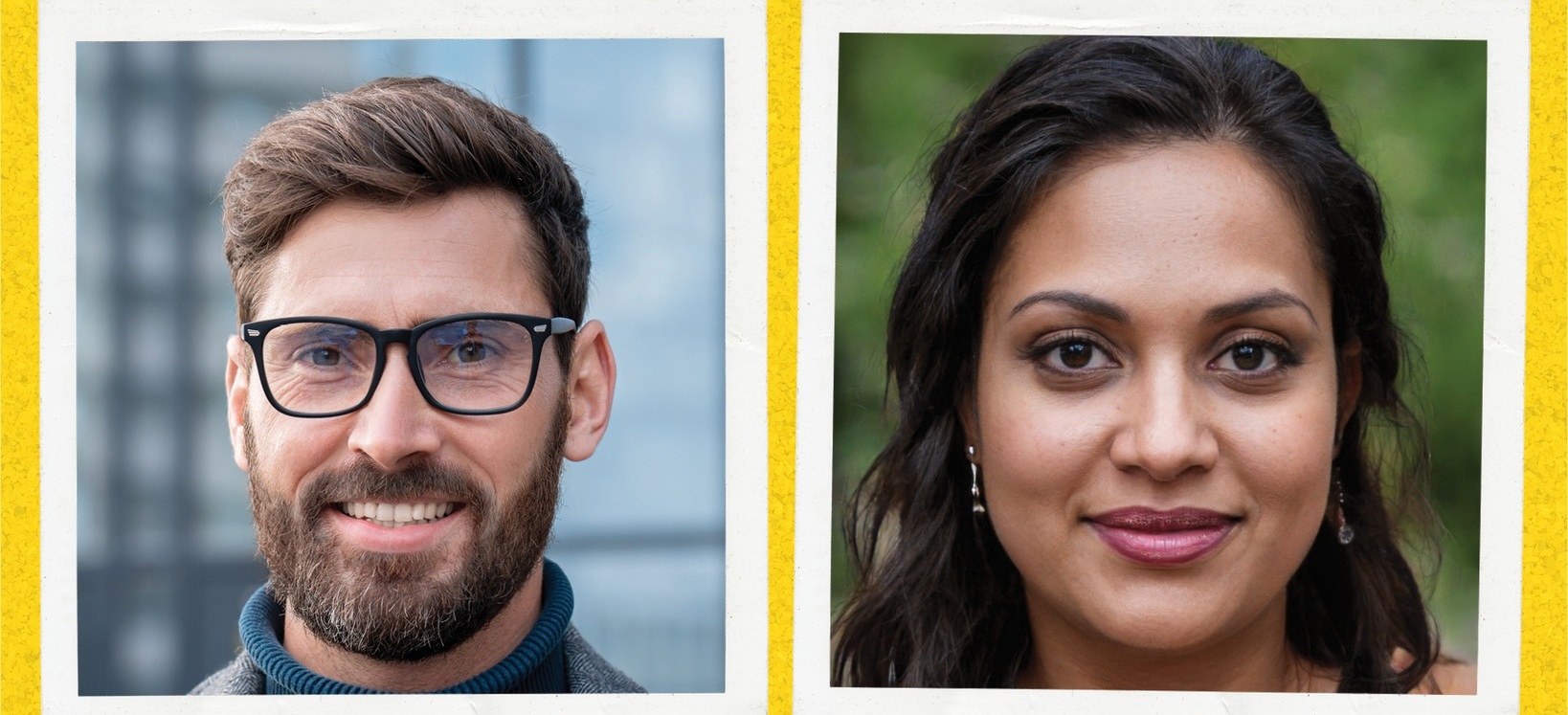
AI-generated faces and deepfakes are becoming increasingly realistic and are now used in scams, misinformation, and identity fraud.
We study how people detect these synthetic identities, what cues they use, and how human and AI systems can work together to improve detection.
Recent work shows that individuals with strong face recognition ability are better at detecting AI-generated faces.